Organiser context
The Royal Society of Chemistry and UKChO
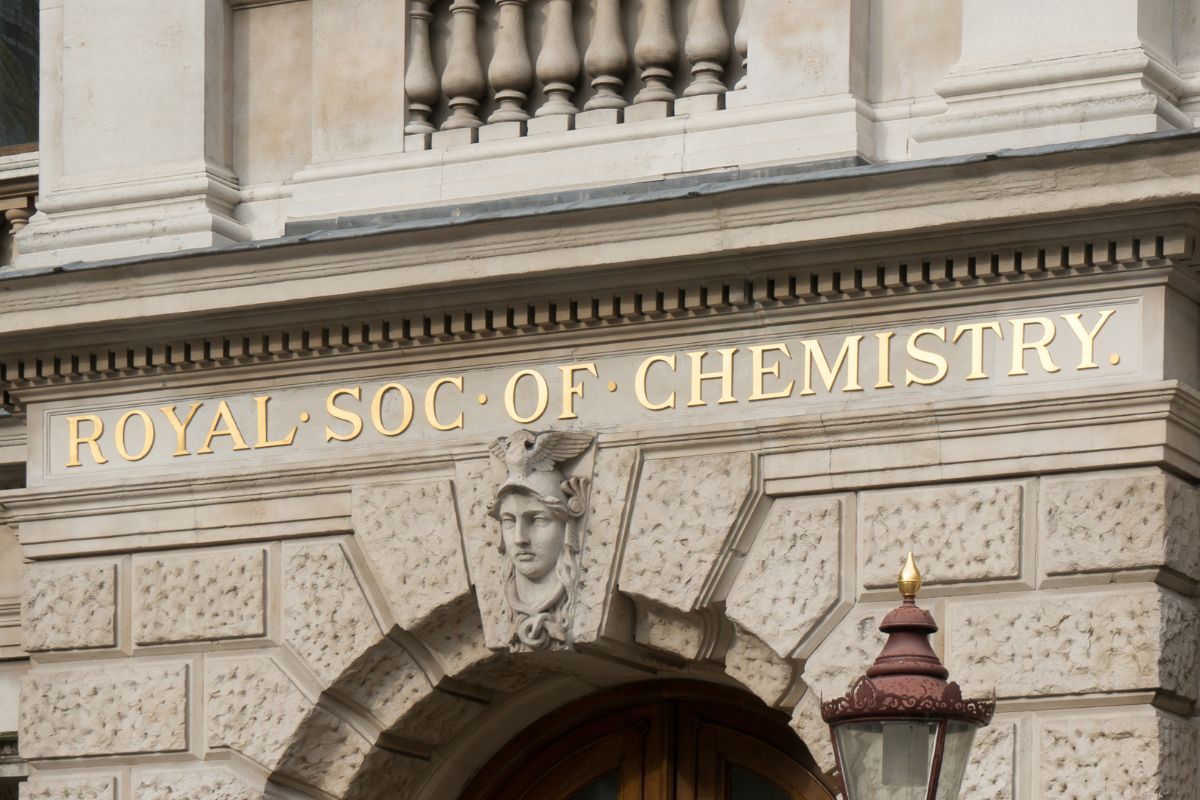
The Royal Society of Chemistry is the UK’s professional body and learned society for chemical scientists. It organises the UK Chemistry Olympiad, publishes the Round One papers and results, and manages the UK pathway towards the International Chemistry Olympiad.
RSC facts reviewed 13 July 2026 · This website is independent of the RSC.
- Origins
- Chemical Society of London founded in 1841
- RSC formed
- 1980 merger of predecessor organisations
- Community
- More than 60,000 people worldwide
- Official site
- rsc.org
Purpose
What does the Royal Society of Chemistry do?
The RSC advances chemical science, supports the chemistry profession, shares knowledge and represents the public interest in matters involving chemistry.
Advance knowledge
The RSC publishes research, connects chemical scientists and supports the dissemination and application of chemical knowledge.
Set standards
It maintains professional qualifications and standards of competence and conduct for people working in chemistry.
Represent chemistry
Its Royal Charter includes advisory, consultative and representative responsibilities concerning chemical science and practice.
The RSC describes its current mission as helping chemistry to change the world through a community that is more open, green and equal. Its publishing, education, policy, professional and community work are connected by that purpose.
UKChO sits within the education part of this mission. It gives students an opportunity to encounter chemistry as active problem solving rather than only as a school assessment subject.
Institutional history
From the Chemical Society to the RSC
Chemical Society of London founded
Seventy-seven scientists, academics, manufacturers and entrepreneurs formed the society, with Thomas Graham as its first president.
First Royal Charter
Queen Victoria granted a charter confirming the aim of advancing chemical science.
Royal Society of Chemistry formed
Four predecessor bodies came together, and the RSC received a new Royal Charter.
Worldwide chemical-science community
The RSC represents and supports more than 60,000 people and runs an international publishing and knowledge business.

Competition responsibility
The RSC’s role in the Chemistry Olympiad
Set Round One
The UKChO working group prepares the paper, supporting material, answer booklet and mark scheme.
Publish results
The RSC receives school scores, determines award boundaries and publishes national participation data.
Select the UK team
Eligible high scorers are invited to Round Two, from which four students are selected for the IChO.
- Official competition facts
- Use RSC Education for UK eligibility, dates, papers, results and the UK selection pathway.
- Regional administration
- Regional partners can publish local dates, entry conditions, locations, fees and equipment rules. Those do not replace RSC facts about the UK pathway.
- Independent preparation
- This website’s preparation guidance, courses and internal outcomes are not RSC services and are labelled separately.
Governance and education
Why institutional context matters
The RSC is incorporated by Royal Charter and is a registered charity. Its Board of Trustees guides strategy and can appoint boards and committees. This governance is separate from the work of a specific competition working group, but it explains the professional and public-interest framework around RSC education activity.
RSC Education supports teachers with classroom resources, professional learning and enrichment activities. UKChO is one part of that broader work; the organisation also publishes journals and books, supports careers and networks, sets professional standards and contributes evidence to policy discussions.
- Competition organiser
- The RSC owns the official UKChO paper, UK route, national results and team-selection process.
- Education publisher
- RSC Education publishes the paper archive, mark schemes, examiner reports, introductory questions and preparation guidance used throughout this site.
- Independent providers
- Schools, regional administrators and preparation organisations have different roles. None should imply that an independent service is an RSC endorsement.
Editorial transparency
This site is not the official RSC website
We provide an independent guide and preparation information. We do not represent the RSC, set competition rules, issue awards or determine eligibility.
Source note
A historical wording distinction
The Chemical Society received a Royal Charter in 1848. The Royal Society of Chemistry was formed and received its own Royal Charter in 1980.
Keeping those dates separate avoids the common but inaccurate statement that the present RSC itself received its current charter in 1848.